
floor mirror with led lights
Understanding the 4% Foot Level with a Ruler A Practical Approach to Measurement In today’s fast-paced world, understanding measurement is essential in various fields, whether in construction, science, or daily life. One interesting aspect of measurement that often gets overlooked is the concept of the 4% foot level, especially when it involves the use of basic tools like a ruler. This article explores the significance of the 4% foot level, how to accurately measure it, and its practical applications. What is the 4% Foot Level? Before diving into the measurement process, it is crucial to define what is meant by the 4% foot level. This term generally refers to a specific height or angle that is 4% of an elevation typically measured in feet. In many cases, especially in construction and landscaping, the 4% incline is used as a standard for drainage purposes, ensuring that water flows correctly away from structures, preventing flooding or water accumulation. To break it down further, a 4% grade means that for every 100 horizontal units, there is a vertical rise of 4 units. In the context of a 1-foot rise, a 4% incline would effectively mean that for every 25 feet horizontally, the elevation would increase by 1 foot. This simple ratio is essential for creating safe, effective slopes in various settings. Using a Ruler to Measure the 4% Foot Level To measure a 4% grade accurately using a ruler, follow these steps 1. Set Up Your Tool Begin with a standard ruler or measuring tape. A flexible measuring tape may offer advantages in larger areas, while a solid ruler can be excellent for shorter distances. 2. Mark Your Distance Decide the distance over which you want to measure the incline. For instance, if you are working with a length of 25 feet, mark this distance clearly on the ground. 3. Calculating the Rise Use the formula to calculate the rise based on the percentage you need. For a 4% grade over 25 feet, you would need an elevation change of 1 foot. 4 foot level with ruler 4. Use the Ruler Measure 1 foot vertical height from the marked starting point (0 feet) . This point now represents the 4% incline’s height. 5. Connecting the Points Use a straight edge to connect the starting point (0 feet) to your endpoint along the measured horizontal distance. The slope you have created visually represents your desired 4% grade. Applications of the 4% Foot Level Understanding and applying the 4% foot level has practical implications across multiple fields. 1. Construction In building design, ensuring proper drainage is vital. By implementing a 4% slope in driveways, sidewalks, and roofs, builders can direct rainwater away from structures, thereby minimizing damage and increasing structural integrity. 2. Landscaping Vegetation needs adequate drainage to flourish. By utilizing a 4% slope, landscapers can facilitate better water flow, ensuring that plants receive necessary hydration without risk of waterlogging. 3. Road Design Engineers often rely on specific grades like the 4% foot level to create safe roadways that promote effective runoff during rainstorms, ensuring safety for vehicles on the road. 4. Sports Fields In sports field design, a gentle slope can help maintain appropriate drainage and enhance playing conditions. It’s crucial for preventing puddles and maintaining surface integrity. Conclusion The concept of the 4% foot level is simple yet profoundly impactful across various disciplines. Mastering this measurement technique not only enhances practical skills but also contributes to the safety, functionality, and aesthetics of our environments. Whether you are a DIY enthusiast, a landscaping professional, or a construction worker, understanding and applying the 4% foot level with a ruler can lead to better outcomes in your projects.
about
floor mirror with led lights
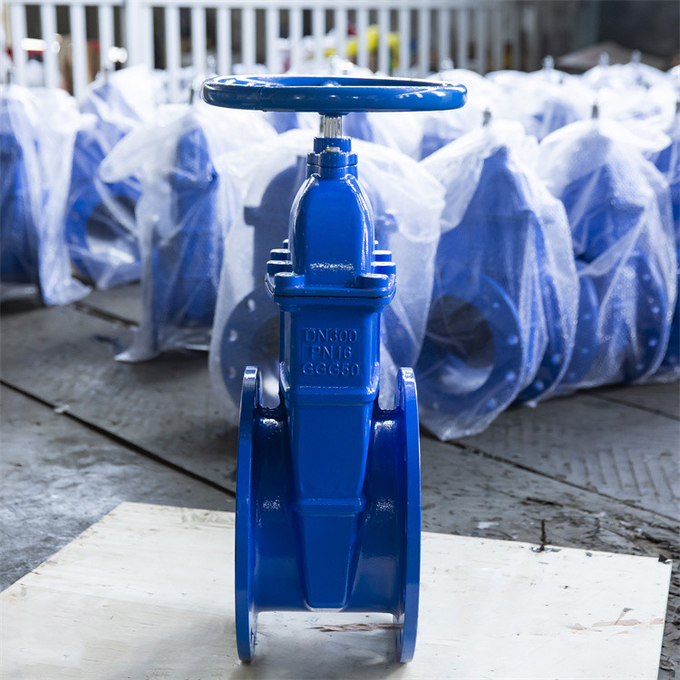
Understanding the Main Water Valve A Crucial Component in Your Home's Plumbing System The main water valve is one of the most critical components of a home’s plumbing system. It plays a vital role in controlling the water supply to your household and is essential for both daily operations and emergency situations. Understanding the function and location of this valve can save you time, money, and stress, especially in times of crisis. What is the Main Water Valve? The main water valve is the primary shut-off valve located at the point where the water supply line enters your home. It serves as the control point for the flow of water throughout your entire plumbing system. When turned off, it stops the water supply, effectively reducing the risk of leaks, flooding, or water-related damages. Importance of the Main Water Valve Having a working knowledge of your main water valve is crucial for several reasons 1. Emergency Situations In the event of a burst pipe or severe leak, shutting off the main water valve can prevent extensive water damage and costly repairs. Knowing its location allows you to respond quickly when every second counts. 2. Maintenance and Repairs If you need to repair or maintain any plumbing fixtures—such as faucets, toilets, or appliances—turning off the main water valve can help ensure that water isn’t flowing during the process, preventing unintended messes. 3. Winterizing Your Home In colder climates, it’s important to winterize your plumbing system to prevent pipes from freezing and bursting. Turning off the main water valve and draining the system can safeguard against harsh winter conditions . Locating Your Main Water Valve main water valve Typically, the main water valve is located in the following areas - Basement or Crawlspaces In many homes, the valve is found near the water meter or where the main line enters the basement. - Outside the Home In some designs, the valve is located above ground near the foundation or in a buried box outdoors. - Utility Room In homes without basements, the main water valve may be located in a utility room. Types of Main Water Valves Main water valves come in various configurations 1. Gate Valve This is a traditional valve with a wheel handle that turns to raise or lower a gate, controlling the flow of water. However, these valves can seize over time and may require significant effort to operate. 2. Ball Valve This type uses a spherical disc to stop or allow water flow. It’s known for its durability and ease of use, as it typically requires only a quarter turn to shut off or turn on the water. 3. Butterfly Valve Similar to the ball valve, the butterfly valve uses a rotating disc to control flow. These valves are commonly used in larger pipes and systems. Regular Maintenance and Inspection It’s advisable to check your main water valve periodically to ensure it’s functioning properly. This includes inspecting for leaks, ease of operation, and any signs of corrosion. Regular maintenance can extend the life of the valve and prevent emergencies. In conclusion, the main water valve is an essential part of your home plumbing system that deserves your attention. Knowing its location, understanding how to operate it, and maintaining it can help you manage your home more effectively and prepare for any potential emergencies. Being proactive about your plumbing will not only safeguard your home but will also enhance your peace of mind.
-

High quality industrial productsagement

High quality industrial products
View Details -

Meet the diverse needs of customers

Meet the diverse needs of customers
View Details -

Strict quality control

Strict quality control
View Details -

Top raw materials

Top raw materials
View Details -

Trusted supplier

Trusted supplier
View Details
Our application

news and information
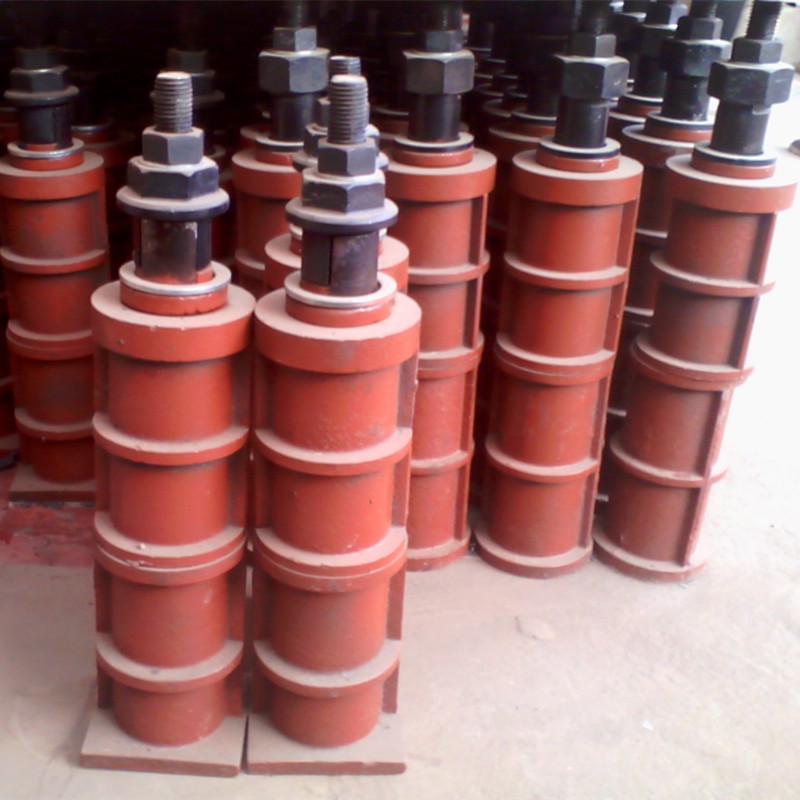
Welding Tables Available for Purchase in Various Sizes and Styles
Welding Tables for Sale A Comprehensive Guide Welding is a fundamental process in various industries
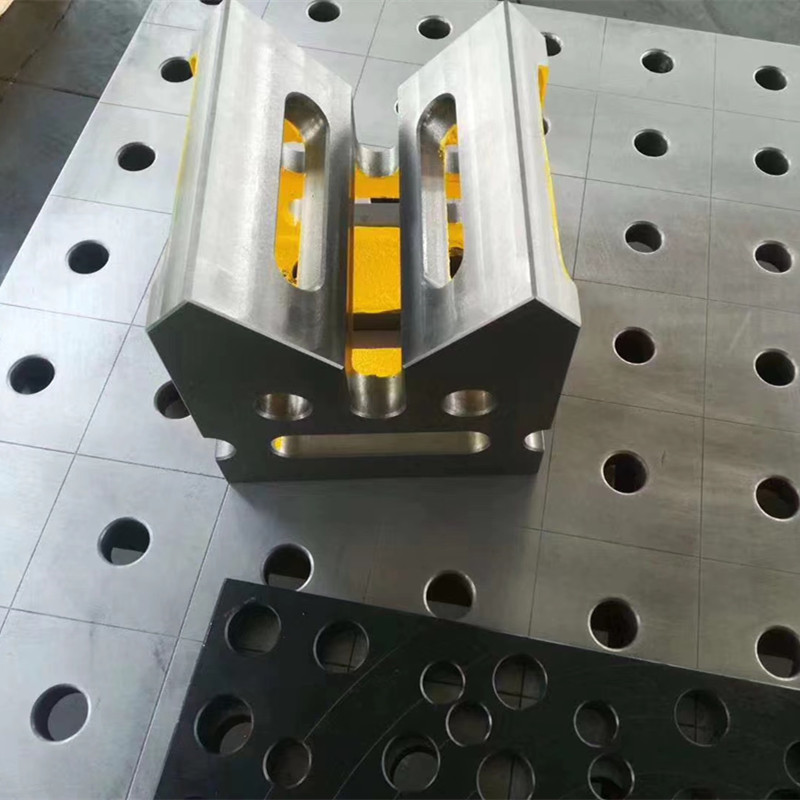
v frames
The Evolution and Impact of V Frames in Modern Visual Media In the rapidly evolving landscape of vis
Using a Measuring Stick and Level for Accurate Marking
marking ruler with spirit level .
 English